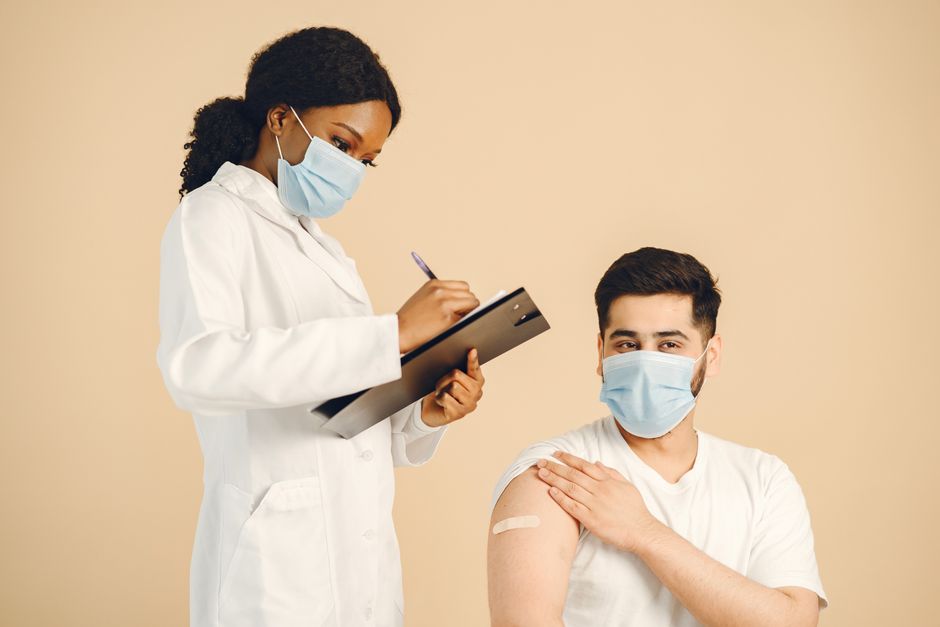
Why Vaccinations Are Crucial for Community Health
Vaccination has long been recognized as one of the most effective public health strategies for reducing the burden of infectious diseases. By stimulating the immune system to recognize and respond to specific pathogens, vaccines prepare the body to fight infections without causing the disease itself. This process not only protects the individual but also contributes to the broader health of the community by limiting the pathways through which diseases can spread.
When a large proportion of a population is vaccinated, the transmission of infectious agents becomes significantly more difficult. This concept, often referred to as community immunity or herd immunity, relies on a threshold of vaccinated individuals that varies depending on the contagiousness of the disease. For example, measles requires approximately 95% population immunity to prevent sustained outbreaks. Understanding these dynamics helps clarify why vaccination coverage at the population level matters for everyone, including those who cannot be vaccinated for medical reasons.
This article explores the scientific principles underlying immunization, the role of vaccines as a community health tool, and common questions about vaccine safety. The goal is to provide an informational overview that contextualizes how vaccination fits into a broader framework of disease prevention and public health responsibility.
The Science Behind How Vaccines Work
Vaccines function by presenting the immune system with an antigen—a harmless piece of the pathogen—that triggers a protective response. This response includes the production of antibodies and the development of memory cells that can quickly recognize and neutralize the actual pathogen if encountered in the future. Different types of vaccines, such as inactivated, live-attenuated, mRNA, and viral vector vaccines, use distinct mechanisms to deliver the antigen, but all aim to generate lasting immunological memory.
The immune system’s ability to remember past encounters is the foundation of vaccine efficacy. After vaccination, the body retains a blueprint of the pathogen, enabling a rapid and targeted response upon exposure. Clinical studies and real-world data have shown that when a vaccine is administered according to approved schedules, the likelihood of developing severe illness is substantially reduced. However, no vaccine provides absolute protection for every individual, and the degree of protection can vary based on factors such as age, underlying health conditions, and the specific strain of the pathogen.
Research into vaccine development continues to evolve. For instance, the application of mRNA technology has allowed for quicker adaptation to emerging variants of viruses. Each new vaccine undergoes rigorous preclinical and clinical testing to evaluate its safety and ability to generate an immune response. Regulatory agencies review this data before authorizing use, and post-market surveillance systems monitor ongoing safety and effectiveness.
Vaccination as a Community Health Tool
Community health depends on a collective approach to disease prevention. When a sufficient percentage of a population is vaccinated, the chain of transmission is interrupted, reducing the overall number of infections. This effect indirectly protects vulnerable groups, such as infants too young to be vaccinated, individuals with certain medical conditions, and those with weakened immune systems who may not mount a strong response to vaccination.
The threshold for community immunity varies by disease. For highly contagious illnesses like pertussis or measles, coverage levels need to be especially high. When vaccination rates drop below these thresholds, outbreaks can occur even in communities with strong healthcare systems. Historical data from various regions show that declines in vaccine coverage have been followed by resurgence of previously controlled diseases, illustrating the dependence of community protection on sustained participation in immunization programs.
Public health agencies work to maintain and improve vaccination coverage through education, access initiatives, and coordinated immunization campaigns. Factors such as geographic location, socioeconomic status, and availability of healthcare services can influence vaccination rates. Efforts to address these disparities are part of a broader strategy to ensure that the benefits of vaccination are equitably distributed across populations.
Common Misconceptions About Vaccine Safety
Concerns about vaccine safety have accompanied immunization since its inception. Some individuals worry about potential side effects, while others question the speed of vaccine development or the ingredients used. Addressing these concerns requires an examination of how vaccine safety is evaluated and monitored over time.
All vaccines approved for use undergo extensive testing during clinical trials, which typically involve thousands of participants and last for several years. After approval, surveillance systems like the Vaccine Adverse Event Reporting System (VAERS) in the United States continuously collect data on adverse events. This information is reviewed by experts who investigate reports to distinguish between coincidental occurrences and true vaccine-related effects. The vast majority of side effects are mild and temporary, such as soreness at the injection site or low-grade fever. Serious adverse events are rare and are thoroughly investigated to understand any potential causal relationship.
Misinformation sometimes circulates about vaccines causing chronic conditions or containing harmful substances. Independent scientific reviews, including those by the Institute of Medicine and the World Health Organization, have found no credible evidence linking vaccines to conditions such as autism or long-term autoimmune diseases. The components used in vaccines, such as preservatives or adjuvants, are present in minute quantities and have been assessed for safety through multiple studies. It is important to note that correlation does not imply causation, and rigorous epidemiological methods are used to examine claims.
Individuals with questions about vaccine safety are encouraged to consult healthcare professionals who can provide personalized information based on current evidence. Public health authorities continually update their recommendations as new data become available, reflecting an ongoing commitment to transparency and scientific rigor.
The Role of Public Health Infrastructure
Effective vaccination programs rely on a robust public health infrastructure that includes research, manufacturing, distribution, and administration. Each step involves quality control measures to ensure that vaccines are safe and effective when they reach the community. Regulatory bodies, such as the Food and Drug Administration (FDA) in the United States, set standards for production and regularly inspect facilities.
Healthcare providers play a key role in delivering vaccines and documenting immunization status. Electronic immunization registries help track coverage rates and identify areas where additional outreach may be needed. During outbreaks, public health departments may deploy targeted vaccination campaigns to contain the spread of disease. These coordinated efforts depend on collaboration between government agencies, private healthcare systems, and community organizations.
Vitality Hub supports community health initiatives that promote informed decision-making about preventive care, including vaccination. By providing educational resources and facilitating access to reliable health information, such organizations contribute to a well-informed public that can engage with health systems effectively. The effectiveness of any public health measure is contextual and depends on the participation of individuals, the capacity of healthcare systems, and the accuracy of information available to the public.
Considerations for Different Populations
Vaccination strategies often need to account for the diverse characteristics of different population groups. Infants and young children receive vaccines on schedules designed to protect them during early life when they are most vulnerable to certain infections. Older adults may require booster doses or specialized formulations, such as higher-dose influenza vaccines, to address age-related changes in immune function.
Pregnant individuals are sometimes recommended to receive vaccines like Tdap or influenza to protect both themselves and their newborns through passive antibody transfer. People with compromised immune systems, such as those undergoing chemotherapy or living with HIV, may have reduced responses to vaccines but can still benefit from partial protection. For these individuals, community immunity becomes especially important because they rely on the vaccination of others to lower their risk of exposure.
Healthcare providers assess individual health status and medical history before recommending a specific vaccine. Contraindications are rare but are taken seriously; for example, a severe allergic reaction to a previous dose or to a vaccine component would preclude further administration of that particular product. These clinical judgments are made on a case-by-case basis, emphasizing the importance of personalized medical care within a community health framework.
Looking Ahead: Ongoing Research and Adaptation
Vaccine science is a dynamic field. Researchers continuously monitor the efficacy of existing vaccines and study how pathogens evolve over time. For example, influenza vaccines are updated annually to match circulating strains, and new vaccine platforms are being explored for diseases like respiratory syncytial virus (RSV) and certain cancers. Clinical trials assess candidate vaccines in diverse populations to understand how factors such as age, genetics, and prior exposure influence immune responses.
Development of vaccines for emerging infectious diseases requires rapid mobilization of resources and international collaboration. The COVID-19 pandemic demonstrated how existing and novel vaccine technologies could be deployed in a short timeframe, though the context of a global health emergency differs from routine immunization programs. Post-pandemic, many countries are strengthening their vaccine surveillance systems to better detect and respond to future threats.
Adaptive processes, such as updating vaccine formulations or recommendations, are guided by data collected from field use and laboratory studies. This iterative approach ensures that vaccination remains a relevant and effective tool over time. While no single intervention can eliminate all risks, the ongoing refinement of vaccines and immunization strategies contributes to the long-term resilience of community health systems.